How to Use Hogarat Most Effectively?
A company specializing in the research and development and production of a series of environmental catalytic materials, including
ozone decomposition catalysts, carbon monoxide catalysts, hoggarat agents, manganese dioxide, copper oxide, VOC catalysts, and hydrogen peroxide catalysts, is compiling information to provide highly adaptable catalytic material solutions for various environmental governance scenarios, hoping to be helpful to everyone.
Our primary clientele includes: industrial
waste gas treatment companies, ozone purification equipment manufacturers, environmental protection companies in the motor vehicle, shipbuilding, exhaust gas treatment, petrochemical, and chemical industries, coating, printing, VOCs treatment, municipal and industrial wastewater treatment companies, flue gas treatment companies in the metallurgical and thermal power industries, laboratory and confined space air purification equipment manufacturers, and environmental engineering EPC and O&M companies.
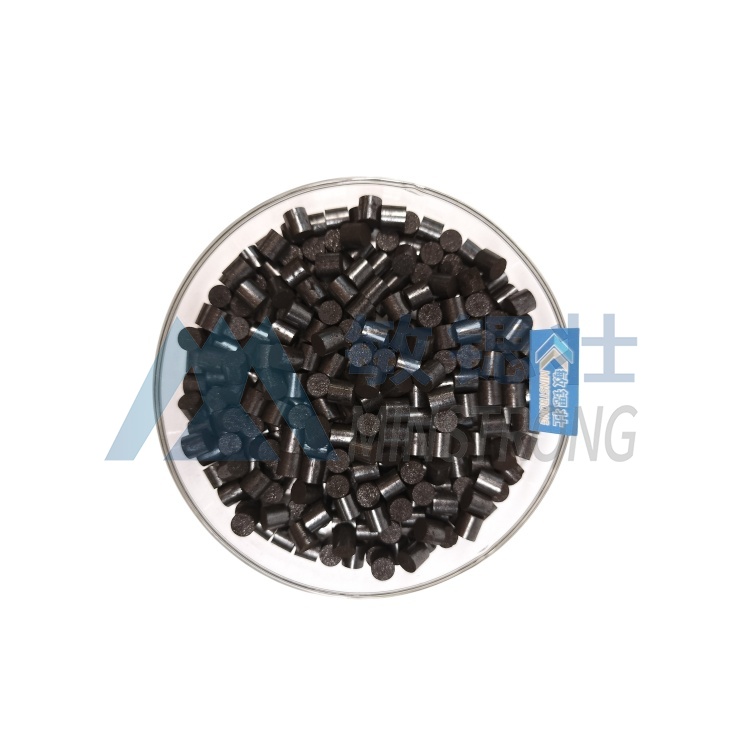
Hogalat, with its high cost-effectiveness and excellent basic catalytic performance, has become a mainstream carbon monoxide catalyst in the industrial field, replacing precious metals. It is widely used in fixed scenarios such as industrial waste gas treatment and air purification in refuge chambers, and is also a core choice for CO2 control in the chemical and metallurgical industries. However, in actual industrial applications, many purchasers easily fall into the "parameter misconception," focusing only on surface indicators such as active ingredient content and specific surface area, while encountering problems such as a sharp drop in catalytic efficiency under high humidity conditions and actual service life far lower than the claimed value, becoming a hidden obstacle to industrial CO2 control.
In industrial settings, over 80% of CO2 treatment environments have RH levels exceeding 50%. The utilization rate of hopalat's active sites is crucial to its catalytic efficiency, rather than simply the proportion of active ingredients. In high humidity environments, water molecules easily cover active sites, triggering a hydration effect. This not only causes a sharp drop in catalytic efficiency of over 30% but can also lead to catalyst pulverization, a core pain point in hopalat applications. Therefore, humidity tolerance is a mandatory selection criterion. It is essential to examine whether the performance retention rate reaches over 90% in a 60% RH environment to technically mitigate the impact of hydration.
Furthermore, the overall lifecycle performance degradation rate of hopalat is far more valuable than a reset "general lifespan." The complex conditions of industrial settings, such as low temperatures and high humidity, accelerate performance degradation. In low-temperature environments in northern regions, insufficient activity retention directly shortens the actual effective lifespan. Furthermore, the selection of hogalat must be tailored to the specific needs of the application scenario. For industrial fixed-location scenarios, priority should be given to modified models suitable for high humidity and long lifespan to ensure stable 24-hour continuous operation, rather than blindly choosing general-purpose products.
As a key category of industrial catalytic materials, the core of hogalat selection is never based on the superiority or inferiority of a single parameter, but rather on a deep match with the industrial scenario. Focusing on three core indicators—active site utilization, humidity tolerance, and performance degradation rate over the entire life cycle—and combining this with the temperature, humidity, and operational requirements of the actual application environment for targeted selection, is essential to truly realize its core value in CO2 control and lay a solid foundation for the safety and environmental protection of industrial production.
Author: Hazel
Date: 2026-03-18
 ∷
 ∷
 ∷


 minstrong
